 EN
Understanding Heat Rejection Dynamics in Commercial Condenser Systems
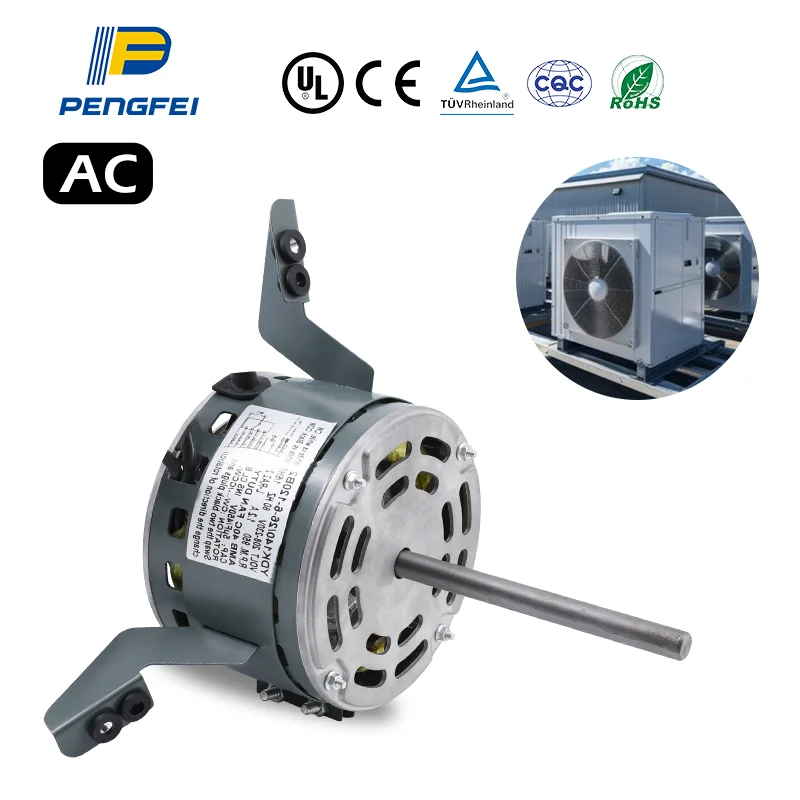
Commercial refrigeration and HVAC condenser units operate under relentless thermal pressure, requiring peak thermodynamic efficiency to dissipate heat effectively into ambient surroundings. Achieving reliable heat rejection depends heavily on the performance and reliability of every component within the outdoor condensing circuit, particularly the electrical drive that powers airflow across refrigerant coils. An optimized condenser fan motor serves as the critical workhorse responsible for maintaining optimal head pressure and ensuring rapid thermal exchange. When legacy condenser fans operate within commercial rooftop units, excessive electrical resistance and mechanical drag force the entire refrigeration system to consume more power while struggling to maintain target cooling capacities. Installing an energy efficient drive unit stabilizes static pressure delivery, prevents excessive thermal stress inside the housing, and ensures continuous operational equilibrium across extreme summer operating peaks. Modern air handling equipment relies on precise aerodynamic speed regulation rather than wasteful mechanical throttling. By specifying a high performance drive during facility retrofits, building operators minimize phase voltage fluctuations, protect downstream electrical infrastructure, and lower monthly utility expenditures across continuous multi shift operations.
Technical Standards and Aerodynamic Performance Metrics
Meeting strict international efficiency mandates established by regulatory organizations like AHRI, NEMA, and ASHRAE requires deep technical precision across drive component manufacturing. The total energy efficiency ratio of a commercial cooling system depends heavily on how efficiently a condenser fan motor converts line power into rotational shaft torque. Modern drive designs utilize cold rolled low loss silicon steel laminations, high purity copper magnet wire, and optimized rotor slot geometry to minimize internal electrical resistance and stray load losses. Incorporating electronically commutated or variable speed drive architectures enables a specialized drive unit to adjust rotational speeds dynamically based on real time ambient temperature signals or refrigerant pressure metrics. Operating an advanced condenser fan motor across variable speed profiles maintains optimal power factor performance and prevents line voltage distortion during partial load cooling cycles. Furthermore, precision computer controlled dynamic rotor balancing reduces electromagnetic hum and housing vibration, preserving internal stator winding insulation. Engineering directors who specify an advanced drive ensure full compliance with regional commercial energy standards while safeguarding electrical grid integrity.
Engineering Environmental Protection Against Harsh Outdoor Stressors
Outdoor condensing units, rooftop HVAC systems, and industrial process chillers subject internal drive components to severe environmental exposure, including high ambient humidity, airborne dust, coastal salt spray, and blistering summer heat. Specifying a ruggedized condenser fan motor with robust IP55 or IP66 ingress protection ratings prevents moisture penetration and particulate accumulation within internal winding cavities or bearing housings. Harsh operational environments like coastal manufacturing plants, agricultural processing facilities, and industrial exhaust hoods subject electrical drives to aggressive chemical fumes and heavy moisture that rapidly degrade standard insulation systems. Incorporating high temperature Class F or Class H winding insulation protects a specialized drive assembly against thermal breakdown during extended peak load cooling periods. Additionally, equipping a specialized drive unit with double sealed precision ball bearings filled with wide temperature synthetic grease minimizes mechanical friction and prevents grease liquefaction under extreme thermal loads. Facility engineers who thoroughly assess environmental exposure metrics ensure that every installed condenser fan motor maintains continuous operational stability regardless of exterior weather severity.
Measuring Commercial ROI and Lifecycle Total Cost Improvements
Electrical power consumption represents more than eighty five percent of the total lifetime expenditure of a commercial cooling drive assembly. Installing an inefficient drive unit drastically increases monthly utility bills, placing an unnecessary financial burden on facility management budgets. Upgrading to a premium efficiency condenser fan motor minimizes rotor copper losses, core hysteresis loss, and mechanical windage losses, converting electrical input into smooth mechanical power. When a commercial facility replaces legacy units with a high efficiency drive, the cumulative energy savings over multi shift operations quickly offset initial procurement expenses. Many regional electrical utilities offer lucrative financial rebates for commercial buildings that install a certified energy efficient condenser fan motor, significantly accelerating capital payback timelines. Beyond direct electricity cost reductions, operating a properly matched drive unit reduces heat rejection stress within the unit cabinet, which lowers head pressure and protects refrigeration compressors. Comprehensive financial evaluation proves that investing in a high quality condenser fan motor delivers measurable long term commercial returns.
Field Operational Validation and Multi Site Commercial Facility Case Study
Empirical field operational tracking provides undeniable proof of the financial and mechanical advantages gained through systematic drive upgrades. A regional commercial property management group recently completed a major HVAC retrofit across a twelve story office complex, replacing forty aging drive assemblies with high efficiency condenser fan motor units featuring integrated variable frequency drives. Operational monitoring conducted over twenty four months revealed a twenty four percent reduction in total ventilation electrical power consumption. Furthermore, mechanical vibration analysis showed a forty percent drop in structural shaft vibration, which extended drive fan bearing replacement cycles from twelve months to over thirty six months. The facility management team recorded zero unplanned thermal shutdowns across the entire summer peak period, confirming that proper drive matching prevents costly equipment downtime. This field experience proves that upgrading to a correctly calibrated condenser fan motor yields substantial maintenance savings, improves indoor climate control consistency, and optimizes total system reliability across demanding commercial real estate assets.
Strengthening Global OEM Capabilities with Advanced Manufacturing at Pengfei Electric
Achieving maximum mechanical efficiency and operational longevity across commercial ventilation systems requires strong technical collaboration with trusted manufacturing partners who understand complex drive engineering. Precision dynamic balancing, automated stator winding, and rigorous environmental stress testing ensure that every condenser fan motor delivers unyielding mechanical performance in heavy duty commercial installations. Global manufacturing leaders like Pengfei Electric provide comprehensive lines of high performance motors, combining state of the art automated production lines with flexible technical customization. From customized shaft geometries and specialized mounting flanges to high humidity insulation options and energy efficient electrical designs, Pengfei Electric supports international equipment manufacturers and facility managers with reliable delivery schedules, complete technical documentation, and robust global supply chain services, establishing long term brand trust and operational excellence.
Table of Contents
- Understanding Heat Rejection Dynamics in Commercial Condenser Systems
- Technical Standards and Aerodynamic Performance Metrics
- Engineering Environmental Protection Against Harsh Outdoor Stressors
- Measuring Commercial ROI and Lifecycle Total Cost Improvements
- Field Operational Validation and Multi Site Commercial Facility Case Study
- Strengthening Global OEM Capabilities with Advanced Manufacturing at Pengfei Electric