 EN
EN

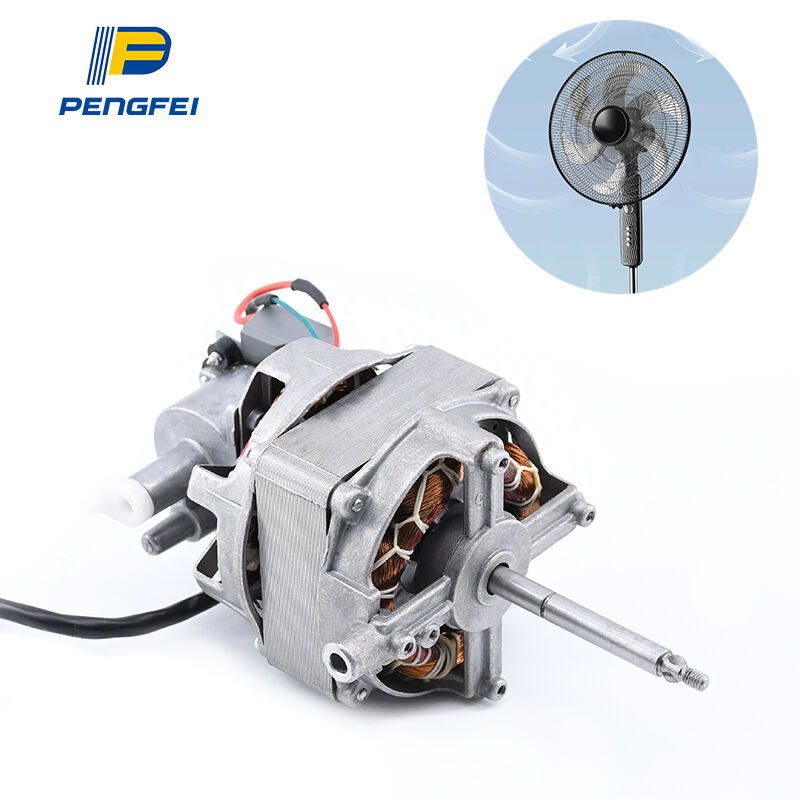
The Critical Role of Overload Protection in Refrigerator Fan Motors
Thermal and Electrical Stress in Continuous-Duty Refrigerator Fan Motors
The fan motors inside refrigerators run non-stop while dealing with both heat and electricity stress all day long. The warmth coming off the compressor gets mixed with the heat generated internally from resistance, which speeds up how fast the insulation breaks down. For every 10 degrees Celsius over what it's rated for, the motor's life expectancy drops by half. Then there's those voltage spikes and times when the rotor gets stuck, adding extra electromagnetic strain that goes way past what was designed for. If left unprotected, the windings can get hotter than 150 degrees Celsius really quickly, going well beyond what Class F insulation is supposed to handle. Refrigeration systems just cant afford downtime, so these overload protections aren't some nice to have feature they're absolutely essential for keeping things running reliably and safely in commercial settings.
Failure Consequences: Motor Burnout, System Shutdown, and Fire Risk
When thermal runaway goes unchecked, things get really bad fast. The motor windings burn out completely, stopping fans dead in their tracks and messing up the whole refrigeration process. For businesses running large units, temperature spikes inside storage compartments can climb as much as 15 degrees Celsius every hour. That means food spoilage becomes inevitable and stores risk getting hit with FDA violations for breaking cold chain rules. Worse still, when insulation starts to break down, it often smolders first before catching fire to nearby parts. And let's not forget about those dangerous electrical arcs that happen during short circuits - another way fires can start unexpectedly. Fixing all this damage ends up costing companies around three times what regular maintenance would have cost if done properly from day one. Plus there's always the legal headache waiting in the wings for manufacturers who cut corners on safety standards. Good overload protection systems actually stop problems before they reach dangerous levels, cutting off power flow just in time to prevent disaster scenarios.
How Overload Protection Works in Modern Refrigerator Fan Motors
Thermal Overload Relays: Operation, Mounting, and Response Timing
Refrigerator fan motors get protected from damage thanks to thermal overload relays which cut off power when there's too much current running through them for too long. These devices work with special metal strips that actually bend as they heat up from the motor's electricity flow. When this happens, it triggers a switch that turns off the power supply completely. Most of these relays either sit right on top of the motor coils or are built into the control panel itself. They take about 2 to 10 minutes to react when something goes wrong with the motor spinning. That delay is intentional though because it lets the system handle those brief spikes in power when starting up but still stops problems that keep happening again and again. What makes these relays really good at their job is how they remember past temperature changes. This feature helps them stay alert even when motors cycle on and off repeatedly, which is why many technicians prefer them for refrigeration units that run constantly and build up heat over days or weeks.
PTC Thermistors vs. Bimetallic Switches: Trade-offs for Refrigerator Fan Motor Applications
These days, engineers are really leaning towards PTC thermistors instead of those old school bimetallic switches for their projects. When we install these PTCs right inside the motor windings, they give us much better temperature readings as things happen, and automatically reset themselves when everything cools down. The older bimetallic stuff might be cheaper upfront, sure, but it reacts way too slowly and needs someone to physically reset it after each trip. And let's face it, nobody wants to open up a sealed motor housing just to push a button when something overheats. That just doesn't make sense in most industrial settings where access is limited anyway.
| Protection Type | Response Speed | Reset Mechanism | Cost Efficiency |
|---|---|---|---|
| PTC Thermistor | < 30 seconds | Automatic | Higher upfront |
| Bimetallic Switch | 2–5 minutes | Manual | Lower initial |
Household fridges are prone to overheating when airflow gets blocked or dust builds up inside. That's where PTCs really shine since their quick response time and self-regulating nature help protect against winding damage. Bimetallic options still work in situations where budget is the main concern and someone can regularly check on the motor. Both approaches serve the same essential purpose though: keeping motors from burning out and stopping potential fires in appliances that run constantly day after day.
Selecting and Integrating the Right Overload Protection for Your Refrigerator Fan Motor
Matching Trip Characteristics to Locked-Rotor Current, Ambient Temperature, and Duty Cycle
Getting good overload protection really comes down to matching the trip characteristics with how the motor actually operates in practice. When a motor starts up, there's this big spike called locked rotor current. The system needs some built-in delay here - it has to wait long enough so we don't get those annoying false trips, but still fast enough to catch real problems before the insulation gets damaged. Temperature matters too. If things get about 10 degrees warmer than rated specs, the insulation life drops right in half. That means setting lower trip points becomes necessary in hot spots like inside compressors where temperatures naturally run higher. Refrigerator fans are different from most motors because they keep running nonstop instead of stopping and starting all day. So the protection device should account for constant heat buildup rather than just looking at those quick bursts of power. Getting these settings wrong leads to either serious hidden damage from overloads going unnoticed or frustrating shutdowns when everything was actually working fine. Make sure to check if the protector specs match what the motor does in real conditions, including its startup behavior, typical environmental temps, and whether it runs constantly or only part time.
Proven Reliability: A Real-World Refrigerator Fan Motor Redesign That Prevented Recall
Good overload protection isn't just about theory it makes real differences in engineering outcomes. We had this issue where fans kept shutting down when humidity levels rose too high. Turns out the problem stemmed from thermal stress building up in our continuous duty motors. The solution? Our team swapped out those standard bimetallic protectors for PTC thermistors specifically tuned to match each motor's locked rotor current pattern. This simple switch reduced false alarms by around 40 percent without slowing down the system's reaction time to overheating situations below eight seconds. And let's not forget the bigger picture here this fix saved us from what could have been a massive recall involving nearly 15 thousand units on the market.
The redesign closed three critical gaps:
- Trip thresholds were adjusted for ambient swings exceeding 45°C in compressor compartments
- Duty cycle analysis revealed 30% more frequent start-stop cycles than originally specified
- Thermal modeling identified localized hotspots near rotor windings—informing precise PTC placement
When manufacturers build overload protection right into their designs from day one instead of tacking it on later, they see fewer warranty problems caused by motor failures. Some companies report around 99% of their products still working properly after three years in real world conditions. This isn't just about picking better parts though. The real value comes when engineers tailor overload systems specifically for each appliance type. These customized solutions help keep machines running longer, protect people using them, and maintain customer confidence in the brand over time.
FAQ Section
Why is overload protection important in refrigerator fan motors?
Overload protection is important because it prevents overheating and motor burnout, which can lead to system shutdowns and fire risks, especially in high-stress environments.
How does thermal overload protection work?
Thermal overload protection works by using devices like relays that cut off power when excessive current flows through the motor, utilizing heat-sensitive mechanisms to deactivate the system.
What are the advantages of PTC thermistors over bimetallic switches?
PTC thermistors provide faster response times and automatically reset, making them suitable for environments where consistent monitoring isn't feasible, despite being more costly upfront than bimetallic options.
Table of Contents
- The Critical Role of Overload Protection in Refrigerator Fan Motors
- How Overload Protection Works in Modern Refrigerator Fan Motors
- Selecting and Integrating the Right Overload Protection for Your Refrigerator Fan Motor
- Proven Reliability: A Real-World Refrigerator Fan Motor Redesign That Prevented Recall
- FAQ Section