 EN
EN

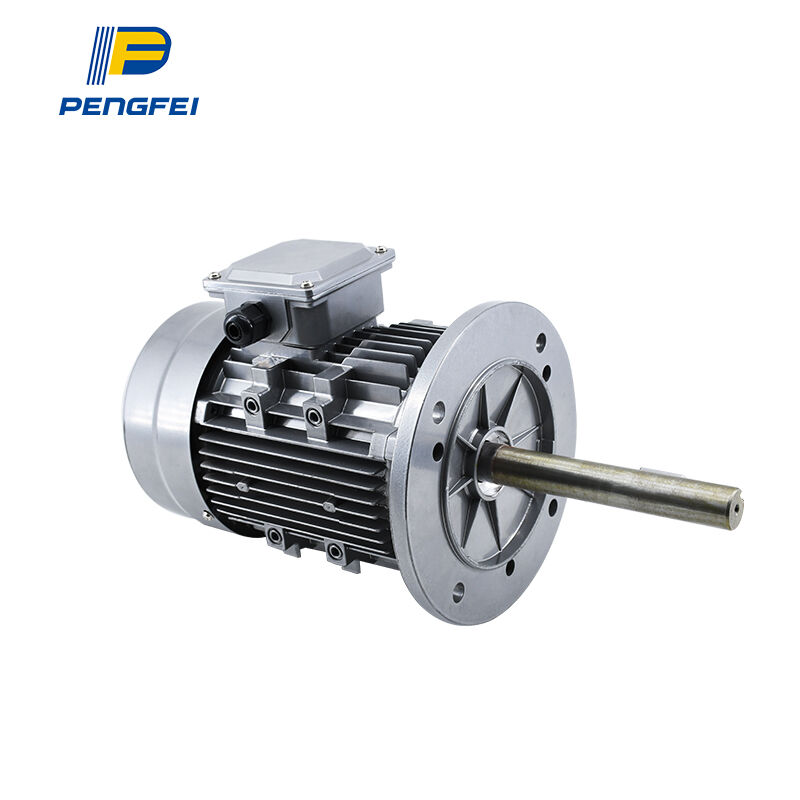
Why Stand Fan Motors Are Critical for Efficient Air Circulation
At the heart of pedestal cooling systems lies the stand fan motor, which plays a big role in how well air moves through both homes and offices. What makes these fans different from their fixed counterparts is that they can be adjusted in height and swing back and forth, allowing for better air circulation throughout rooms. This means no more dead spots where the air just sits still. According to some research on heating and cooling efficiency done by government agencies, these directional features actually cut down on wasted energy by around 70 percent when compared with traditional AC units in areas with average temperatures.
Today's modern motors work their magic thanks to some clever electromagnetic tricks. Copper windings wrapped around those special laminated cores cut down on electrical resistance while they run. What does this mean for everyday folks? Lower electric bills when rates spike during hot summer afternoons, better airflow keeping stuff fresh in busy office spaces, and stopping that annoying moisture from building up inside homes. Plus these motors come in smaller packages too, so they don't take up precious room on walls or floors. Real estate matters a lot in tight living situations where every square inch counts.
These motors keep the air moving consistently throughout the space without creating annoying background noise, which makes for better indoor environments all year long. During cold months, they can actually push warm air around the room when operated in reverse mode. And let's face it, this helps cut down on dust and other irritants floating around places where people suffer from allergies. When choosing the right size stand fan motor, homeowners need to think about both day to day comfort issues and what kind of impact this will have on their electricity bills over time. Getting the sizing right also means making sure there's enough airflow coverage without taking up unnecessary floor space in living areas.
Energy Efficiency: How Modern Stand Fan Motors Cut Power Use by Up to 70%
EC vs. AC Stand Fan Motors: Real-World Energy Savings in Homes and Offices
Today's Electronically Commutated (EC) standing fan motors consume around 70 percent less electricity compared to older Alternating Current (AC) versions. The reason? These modern motors feature brushless construction combined with electronic commutation technology. This setup gets rid of those annoying friction losses and excessive heat generation that plague conventional fans. For households, switching to EC motors can cut down on cooling expenses by roughly $15 to maybe even $30 each month during hot weather periods. Commercial spaces see additional advantages too since these motors come equipped with PWM controls allowing them to adjust air flow based on how many people are actually present in the room at any given time. And here's something interesting about these EC motors they keep performing efficiently at over 90 percent regardless of whether they're running full blast or just idling along quietly.
Aligning Stand Fan Motor Selection with Sustainability and Energy Goals
Switching to EC motors helps companies meet their ESG goals and cuts down on home energy usage at the same time. These motors save about 70% power compared to traditional models, which means each unit can cut annual electricity consumption by around 300 to 500 kWh. That translates into reducing carbon emissions somewhere between 0.2 and 0.4 metric tons per year. Facility managers often see a return on investment within just 18 months thanks to those lower electric bills. Homeowners notice similar benefits too, typically cutting their HVAC system workload by 10 to 15%. With these kinds of savings, EC powered stand fans make sense for anyone looking to keep comfortable without breaking the bank or harming the environment. Many businesses have already started replacing old fans with these efficient alternatives as part of broader sustainability efforts across different industries.
Quiet Operation: Noise Control for Shared Household and Office Environments
The level of background noise really matters when we're in shared environments such as open office layouts or family rooms at home. Most regular fans run louder than 45 decibels, creating that annoying hum which makes it hard to concentrate while working or relax properly after a long day. Newer standing fan models tackle this problem through better sound design technology, so they operate under 35 decibels now something similar to what you'd hear inside a peaceful library. Why does this matter? Well, staying around sounds louder than 40 decibels for extended periods can actually raise our stress hormone levels between 15% and 25%. That's what the World Health Organization warned about in their latest report on environmental noise from last year.
Bearing, Rotor, and Housing Innovations That Enable <35 dB(A) Stand Fan Motor Performance
Three core innovations drive noise reduction:
- Bearings: Sealed ball bearings replace traditional sleeve designs, eliminating friction-induced whines while extending lifespan.
- Rotor: Precision-balanced rotors with asymmetric blade geometry minimize vibrational resonance—a primary noise amplifier.
- Housing: Composite materials with sound-absorbing foam layers dampen vibrations, while aerodynamic vents reduce air turbulence.
These refinements collectively enable consistent 32–34 dB(A) operation. For context, this reduces perceived noise by 50% compared to standard 45 dB(A) motors, making modern stand fan motors ideal for noise-sensitive spaces like conference rooms or nurseries.
Smart Adaptability: Variable Speed Control and Compact Stand Fan Motor Design
When it comes to managing airflow with precision, stand fans stop being just ordinary appliances and start acting more like smart climate companions. Traditional fixed speed fans run at full blast all the time, but newer variable speed models actually change their output based on what's needed right now. They'll slow down those cool summer nights when nobody's around, then kick in harder whenever the heat gets intense inside. There's some science behind this too called the Affinity Laws for centrifugal systems. Basically, if a fan runs 20% slower, it uses almost half as much electricity. That kind of efficiency makes variable speed control a must have feature for anyone serious about cutting energy costs without sacrificing comfort.
PWM and BLDC Integration for Precision Airflow Management
The combination of pulse width modulation PWM and brushless DC BLDC motor tech allows for much finer control over speed settings than traditional methods. With PWM controllers sending out quick bursts of electricity to manage power flow, and BLDC motors doing away with those old carbon brushes in favor of electronic switching, there's basically no friction anymore causing all that annoying wear and tear plus unwanted noise. When these two technologies work together, they can smoothly transition across a wide range from around 300 to 1500 revolutions per minute. This keeps the air moving consistently without those pesky on off cycles that disrupt comfort levels. Think about it for office spaces or bedroom environments where quiet matters most these systems maintain operation below 35 decibels even when working hard at maximum capacity. Plus the motors tend to last about 30 percent longer since they don’t get as hot during operation, which makes sense because less heat equals less stress on components over time.
Smaller motor designs really boost how flexible these systems can be. When manufacturers build the control circuits right into the stator housing itself, they manage to cut down on space requirements by around 40% when compared with standard AC models. What this means in practice is fans that take up much less room, making them perfect for tight spots like awkward corners or tucked underneath desks, yet still managing to push air across distances of up to twelve feet. And because the rotors weigh so little, there's hardly any delay at all when changing speeds. These motors react almost instantly to temperature adjustments from thermostats, typically within half a second or so.
Frequently Asked Questions (FAQ)
Why are stand fan motors important for air circulation?
Stand fan motors allow for efficient air movement due to their adjustable height and oscillation, which prevent dead air spots and provide better air distribution compared to fixed fans.
How do modern stand fan motors save energy?
Modern stand fan motors, especially EC motors, use electronic commutation technology that reduces energy consumption by up to 70% compared to traditional AC motors.
What noise level can be expected from modern stand fan motors?
Modern stand fan motors operate at low noise levels, often below 35 decibels, which is quieter than traditional fans.
What are the benefits of variable speed control in stand fans?
Variable speed control ensures that the fan runs only when needed, optimizing energy use and allowing for precise airflow management, especially in shared or sensitive environments.
Table of Contents
- Why Stand Fan Motors Are Critical for Efficient Air Circulation
- Energy Efficiency: How Modern Stand Fan Motors Cut Power Use by Up to 70%
- Quiet Operation: Noise Control for Shared Household and Office Environments
- Smart Adaptability: Variable Speed Control and Compact Stand Fan Motor Design
- Frequently Asked Questions (FAQ)