 EN
EN

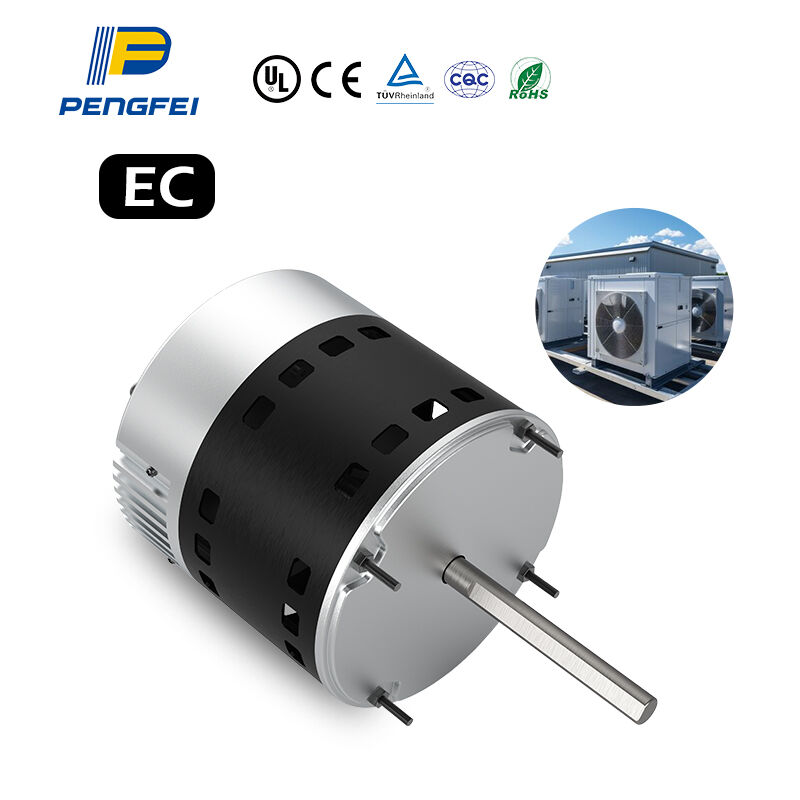
Static Pressure and System Impedance: The Critical Constraints on Duct Fan Motor Performance
Why static pressure limits achievable CFM—and how duct fan motors respond
Static pressure, which gets measured either in Pascals (Pa) or inches water gauge (in. WG), basically represents the resistance that a duct fan motor has to fight against just to get air moving through the system. The amount of static pressure directly affects how much air the motor can actually push out in terms of cubic feet per minute (CFM). When there's more resistance from the system itself, the airflow simply decreases following the motor's performance curve. For instance, if static pressure goes up by around 20%, airflow might drop anywhere between 15% to 30% in those really tight spaces where airflow is already limited. What happens next? Well, the motor tries to compensate by increasing both torque and power consumption, but this works only until it hits its maximum capacity. Once past that threshold, things start going downhill fast: airflow plummets, internal components heat up dangerously, and eventually the motor may stall completely. And we're not just talking theory here. According to ASHRAE Standard 111, running these motors consistently beyond their rated static pressure levels remains one of the top reasons why they fail prematurely in actual installations.
Duct layout, fittings, and filters: Real-world sources of system impedance
System impedance arises from physical disruptions to laminar airflow—each adding measurable resistance that accumulates across the duct run. Key contributors include:
- Ductwork geometry: Sharp bends (>45°), abrupt diameter changes, and undersized ducts dramatically increase friction and turbulence losses
- Fittings: Dampers, diffusers, transitions, and grilles introduce localized pressure drops
- Filtration: High-MERV filters—especially when clogged—impose sustained, often underestimated loads
- Heat exchangers: Evaporator coils, ERVs, and HRVs restrict flow paths and elevate baseline pressure
| Impedance Source | Pressure Impact | Mitigation Strategy |
|---|---|---|
| 90° elbow | +15–25 Pa | Use gradual 45° turns or radius elbows |
| MERV 13 filter | +50–120 Pa | Schedule maintenance per manufacturer guidelines; consider MERV 8–11 for balanced efficiency and airflow |
| Duct diameter reduction | +30 Pa per 2" reduction | Maintain consistent cross-sectional area through trunk and branch runs |
All these different resistances together create what we call the system's impedance curve, which basically represents the demand side when looking at how fans work. When parts are too big for what they need to do, that just burns through extra power and creates annoying noise problems. On the flip side, if components are too small, certain areas get shortchanged on airflow while motors end up working harder than necessary, leading to all sorts of inefficiencies. What matters most is getting things right sized for each specific situation. The key lies in making sure the motor can handle whatever resistance actually exists in the system rather than going off theoretical numbers or assuming the absolute worst case scenario all the time.
Selecting the Right Duct Fan Motor Using Performance Curves (P-Q Curves)
Interpreting P-Q curves: Matching duct fan motor output to system requirements
Performance-Quantity (P-Q) curves are the definitive tool for selecting a duct fan motor. These standardized graphs—developed per AMCA 210/ASHRAE 51 protocols—plot airflow (CFM) horizontally against static pressure (in. WG) vertically. The curve reveals three critical zones:
- Zero-pressure max CFM: Theoretical free-air output (not sustainable in real ducts)
- Shutoff pressure: Maximum static pressure at zero airflow
- Peak efficiency region: Typically between 60–80% of shutoff pressure, where the motor delivers target airflow with optimal energy use
The operating point for your system happens where the performance curve meets the impedance profile of the ductwork. This profile takes into account things like duct length, how much extra resistance comes from fittings, what the filters are doing to airflow, and the pressure loss across coils. According to a recent study on HVAC efficiency in the ASHRAE Transactions from 2023, systems that stay within about 5% of their maximum efficiency point on the P-Q curve cut down yearly energy usage by around 18%. Plus, these properly tuned systems tend to last longer too, with motors typically lasting about 3 years and 2 months longer than those running off peak.
Avoiding mismatch: Oversized vs. undersized duct fan motors in practice
Selecting a duct fan motor based solely on horsepower—or even nameplate CFM—is a common but high-cost error. Oversized units operate far left on the P-Q curve, resulting in:
- Energy waste (up to 30% excess draw, per ASHRAE Handbook Fundamentals)
- Short-cycling that accelerates bearing wear
- Aerodynamic noise exceeding 65 dB(A), especially near transitions or dampers
When motors are undersized for their job, they tend to stall when faced with normal static pressure loads during regular operation. This leads to problems meeting proper ventilation needs and eventually causes the windings to overheat. Looking at motor reliability data across different industries reveals that running motors in these conditions actually raises the chance of winding failures by around 40% within just the first couple of years after installation. So what's the fix? It all comes down to getting accurate calculations right from the start. First figure out the total system static pressure using established guidelines like those found in ACCA Manual D or ASHRAE fundamentals. Then pick the smallest motor available where its performance curve actually meets the needed cubic feet per minute requirement within the motor's most efficient operating range. The point where these curves intersect matters far more than any flashy spec sheet numbers ever will. This approach ensures better performance over time, longer equipment life, and ultimately keeps systems compliant with industry standards.
FAQ
What is static pressure and how does it affect duct fan motors?
Static pressure measures the resistance a duct fan motor faces due to the air movement through a system, impacting the amount of air (CFM) the motor can push. Increased static pressure results in reduced airflow.
How do duct layout and fittings impact system impedance?
Duct layout and fittings like bends, diameter changes, filters, and heat exchangers create resistance in the airflow, impacting system performance by increasing static pressure and reducing efficiency.
What are P-Q curves and why are they important in selecting duct fan motors?
P-Q (Performance-Quantity) curves are graphs showing airflow against static pressure, helping in selecting duct fan motors by matching motor output to system requirements for optimal efficiency.
What are the risks of using an oversized or undersized duct fan motor?
Oversized motors waste energy and wear out quicker, while undersized motors may stall and fail to meet ventilation needs, leading to overheating and reliability issues.