 EN
EN

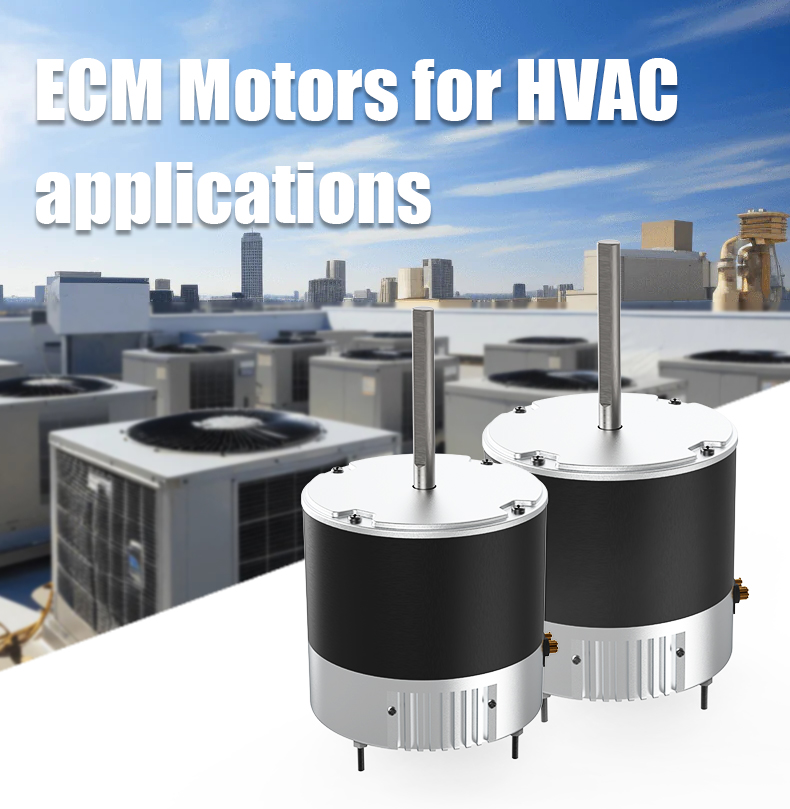
Core Design Features That Enable EC Motor Longevity
High-quality materials and robust construction of EC motors
EC motors achieve extended service life through premium components like neodymium magnets and copper-wound electromagnetic coils, which offer 40% higher resistance to demagnetization and corrosion compared to conventional alternatives (Solomotor Controllers 2023). Ceramic hybrid bearings reduce friction losses by 62%, while reinforced housings protect internal components from environmental stressors.
Advanced thermal management and insulation class ratings
Optimized cooling fins and heat-dissipating rotor designs keep operating temperatures 15–20°C below critical thresholds. This enables 95% of EC motors to meet IEC 60034-1 Class H insulation standards (180°C rating), effectively doubling winding lifespan compared to Class B systems.
Integrated microprocessors enhancing efficiency and durability
Onboard controllers dynamically adjust power based on real-time load demands, reducing energy waste by 30% in HVAC applications (ACDCECFan 2023). This precise regulation prevents damaging voltage spikes, while diagnostic systems detect insulation resistance drops below 5 MΩ before failures occur.
Electronic commutation reducing mechanical wear in EC motors
By replacing brushes with solid-state switching, EC motors eliminate 92% of wear-related failures seen in brushed DC motors (Ponemon 2023 Maintenance Report). Sensorless control maintains torque accuracy within ±2% over 50,000+ duty cycles, ensuring reliable performance without physical contact.
| Design Feature | Improvement | Lifespan Impact |
|---|---|---|
| Electronic Commutation | No brush/contact wear | +300% vs brushed motors |
| Class H Insulation | 180°C thermal tolerance | 2x winding durability |
| Ceramic Bearings | 0.5μ friction coefficient | +8,000 service hours |
Thermal Performance and Cooling Under Variable Load Conditions
Cooling Mechanisms in EC Motors During Variable Speed Operation
EC motors use adaptive cooling strategies to maintain thermal efficiency under dynamic loads. Variable speed drives reduce heat generation by 23% compared to fixed-speed systems (Ponemon 2023), while integrated airflow optimization and liquid-cooled stator designs enhance heat dissipation. In HVAC applications, dual-path cooling includes:
- Active airflow channels for temperature regulation during partial-load operation
- Phase-change materials that absorb excess heat during peak demand
Impact of Temperature on Motor Components and Insulation Lifespan
Insulation degrades 2.1× faster for every 10°C rise above 85°C (Ponemon 2023). EC motors counteract this with Class F (155°C) or Class H (180°C) insulation systems, temperature-sensitive varnishes that harden at critical thresholds, and ceramic-coated windings resistant to thermal cracking.
How Continuous Thermal Stress Affects Long-Term EC Motor Reliability
The constant back and forth of heating and cooling takes a toll on solder joints and bearings over time, leading to gradual wear and tear. When manufacturers implement predictive thermal stress models, they see a noticeable drop in failures - around 37% fewer breakdowns in motors that run past 15,000 operating hours. Looking at actual field performance, equipment that stays within just 10% of its designed thermal range tends to last much longer. At the 20,000 hour mark, these well-maintained units have an impressive 89% survival rate compared to only 54% for machines that push beyond their recommended temperature limits. This gap highlights how important it is to stay within safe operating parameters for long term reliability.
Environmental and Operational Factors Influencing EC Motor Lifespan
Effects of Humidity, Dust, and Corrosive Environments on EC Motors
When humidity levels go over 60%, insulation resistance tends to degrade about three times faster than it would in normal conditions, according to various corrosion studies looking at industrial gear. Dust accumulation is another problem because it blocks heat from escaping properly, sometimes cutting down heat dissipation by nearly 18%. Plus, all that dust gets gritty and wears down bearings over time. For facilities near the coast, there's an extra challenge too. The salty air hanging around those areas causes electrochemical issues in motor controllers much quicker than what happens inland. Industry reports from recent years show these problems happening roughly 40% faster in coastal regions compared to their landlocked counterparts.
Duty Cycles, Load Matching, and Start-Stop Frequency Impacts
Operating EC motors at 85–95% of rated load results in 23% less winding stress than intermittent overloads (HVAC Today, 2024). Frequent start-stop cycles generate thermal fatigue that fractures solder joints 8× faster than continuous operation; more than 50 daily cycles can shorten service life by 15% in fan applications.
Mechanical Vibration and Noise as Early Indicators of Aging
Per ISO 10816-3 standards, 92% of EC motor failures begin with vibration amplitudes below 5 mm/s RMS–detectable months before breakdown. High-frequency noise (>12 kHz) often indicates stator slot harmonics from winding deterioration, while bearing-related frequencies (1–4 kHz) signal lubrication loss. Regular vibration monitoring reduces unscheduled downtime by 67% in material handling systems.
Preventive Maintenance Strategies for Maximizing EC Motor Service Life
Routine Maintenance: Cleaning, Lubrication, and Firmware Updates
Regular cleaning removes particulates that accelerate bearing wear, while lubrication every 6–12 months minimizes friction. Firmware updates refine control algorithms, reducing strain on windings. EC motors receiving biannual maintenance experience 40% fewer failures than neglected units (AllTest Pro 2025).
Monitoring Temperature Rise and Performance Trends
Infrared sensors enable continuous thermal monitoring, identifying abnormal heat patterns before insulation damage occurs. Operators tracking key metrics gain actionable insights:
| Parameter | Optimal Threshold | Impact on Lifespan |
|---|---|---|
| Winding Temperature | ≤ 90°C | 25,000+ hour capability |
| Bearing Vibration | ≤ 2.8 mm/s | 18% longer service life |
Adjusting operations based on these trends cuts energy waste by 12–15% and prevents premature thermal stress failures.
Early Detection of Electronic Component and Insulation Degradation
Testing insulation resistance every 3,000 hours identifies dielectric weaknesses, with values below 50 MΩ indicating potential failure. Predictive models using motor current signature analysis correlate harmonic distortions with capacitor aging, allowing component replacements 4–6 months before catastrophic failure.
Innovations Extending EC Motor Longevity Beyond 20,000 Hours
Smart diagnostics and sensorless control technologies in EC motors
The latest embedded sensor tech combined with smart algorithms can actually spot when parts are starting to wear out anywhere from 18 to maybe even 24 months ahead of time. Getting rid of those old school Hall effect sensors takes away one of the main places where things tend to fail, which makes the whole system much more dependable over time. What's really impressive is how these new systems cut down on wasted energy by around 12 to 15 percent while still keeping speed measurements within just plus or minus 1% accuracy even when loads change constantly. Recent research published last year looked specifically at brushless motor designs and discovered something pretty remarkable too. Motors equipped with this kind of technology maintained an astonishing 92% reliability rate after running continuously for 25,000 hours straight in factories and other industrial environments.
Adaptive control and AI-driven thermal regulation systems
Neural networks optimize phase currents and cooling fan speeds using real-time thermal imaging. Machine learning models trained on over 140,000 operational hours reduce hotspot formation by 37% versus fixed protocols. These systems adapt to changes in bearing condition and insulation integrity, extending service intervals by 300–400%.
Case study: EC motor performance in HVAC applications exceeding 20,000 hours
Field data from 1,200 commercial HVAC systems show EC motors retaining 89% of initial efficiency after 23,500 hours when paired with adaptive controls. The longest-running unit reached 26,700 hours with only two bearing replacements, highlighting the effectiveness of advanced thermal management and predictive analytics.
Future outlook: Predictive maintenance and enhanced durability through IoT integration
IoT-enabled EC motors transmit performance data to cloud platforms, enabling lifespan predictions with 94% accuracy. This integration is expected to cut unplanned downtime by 60% and extend average service life beyond 30,000 hours by 2027.
FAQ Section
What is an EC motor?
An EC motor, or electronically commutated motor, is a type of electric motor that uses electronic circuitry to control the motor's speed and torque.
How does electronic commutation enhance motor lifespan?
Electronic commutation eliminates the mechanical wear associated with traditional brushes, significantly reducing failure risk and extending the motor's lifespan.
What role does thermal management play in EC motor longevity?
Thermal management ensures that motors operate within safe temperature limits, preventing heat-related damage and enhancing insulation lifespan.
How can environmental factors affect EC motor performance?
Environmental factors like humidity, dust, and corrosive environments can accelerate wear and damage motor components, affecting performance and longevity.
Table of Contents
- Core Design Features That Enable EC Motor Longevity
- Thermal Performance and Cooling Under Variable Load Conditions
- Environmental and Operational Factors Influencing EC Motor Lifespan
- Preventive Maintenance Strategies for Maximizing EC Motor Service Life
- Innovations Extending EC Motor Longevity Beyond 20,000 Hours
- FAQ Section