 EN
EN

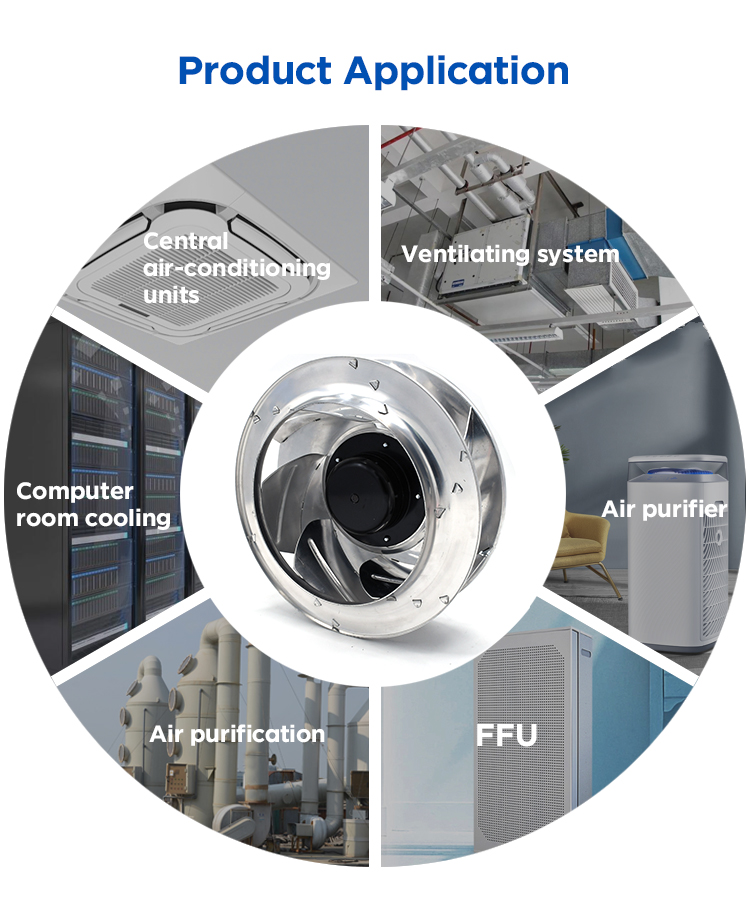
How Centrifugal Fans Work and Where They Excel in Industrial Ventilation
The Science of Centrifugal Force in Airflow Generation
Centrifugal fans work by spinning an impeller that pulls air in from the center and then pushes it outwards thanks to centrifugal force. When this happens, the air changes direction which creates static pressure levels around 10 inches of water gauge (inwg) according to recent studies on industrial ventilation published last year. Because of this pressure capability, these fans are great choices when dealing with ductwork or situations where there's resistance from filters. How efficient they actually perform depends heavily on blade shape. Backward curved blades tend to convert about 85 percent of input energy into usable airflow when everything runs just right, though real world results often fall short of those theoretical maximums.
High-Pressure Performance in Demanding Ventilation Systems
These fans are particularly effective in high-resistance environments such as spray booth exhausts and dust collection systems. Their non-overloading motor characteristics allow stable operation even when system pressure fluctuates—essential for handling abrasive particulates or extreme temperatures exceeding 400°F (204°C).
Key Advantages Over Axial Fans in Resistance-Heavy Applications
| Factor | Centrifugal Fans | Axial Fans |
|---|---|---|
| Pressure Efficiency | Operate optimally at 5–10 inwg | Best below 0.5 inwg |
| Energy Use at High Load | 15–30% lower consumption | Rapid efficiency decline |
| Maintenance Needs | Encased motors resist particulate damage | Exposed blades require frequent cleaning |
This performance profile makes centrifugal fans the preferred choice for industrial HVAC, fume extraction, and processes requiring consistent airflow under variable backpressure.
Optimizing Dust Collection Systems with Centrifugal Fan Technology
Handling Abrasive Particulates with Radial and Backward-Curved Fans
Radial blade centrifugal fans work best where there's lots of gritty stuff floating around, which happens all the time in places like metal shops and mines. These tough little machines can handle impacts at speeds reaching 4,500 feet per minute, so their impellers keep moving air properly even when things get really rough on them. The backward curved design makes a big difference too. According to some research from Material Handling Institute back in 2023, this shape cuts down dust accumulation by about two thirds compared to regular axial fans. That means better static pressure maintenance and overall system performance that lasts longer without constant maintenance headaches.
Case Study: Woodworking Facility Improves Uptime with Robust Fan Design
A Midwest cabinet manufacturer reduced unplanned downtime by 73% after replacing axial fans with corrosion-resistant centrifugal units. The backward-curved stainless steel models operated continuously for 14 months without blade erosion while processing 18 tons/hour of wood dust. Stable airflow extended filter life, cutting annual maintenance costs by $7,200.
Sizing and Selection Strategies for Variable Dust Load Conditions
Effective centrifugal fan selection requires analyzing peak dust loads and system resistance curves. Facilities facing fluctuating particulate levels benefit from:
- Variable frequency drives (VFDs) that adjust RPM based on real-time dust sensor data
- Modular ductwork allowing airflow capacity increases of up to 40% during production peaks
- Abrasion-resistant liners that double impeller lifespan in high-silica environments
As industry reports highlight, optimizing airflow paths can reduce energy use by 30% while ensuring compliance with OSHA ventilation standards.
Effective Fume and Smoke Extraction Using Centrifugal Fans
Centrifugal fans provide robust solutions for removing hazardous airborne contaminants in industrial settings. Their ability to generate high-pressure airflow makes them particularly effective in complex ventilation systems where fume and smoke extraction is critical.
Operating in Harsh Environments: Temperature, Corrosion, and Material Resistance
Centrifugal fans hold up pretty well even when things get really tough out there. They work fine at temps as high as 400 degrees Fahrenheit or so, and they can handle all sorts of nasty chemicals too. The market for these fans has grown quite a bit lately, maybe around 40% since about 2022, especially in industries where conditions are brutal. Why? Because these fans just don't give up when exposed to heat or chemicals that would melt other equipment. Newer models come with special coatings that resist heat damage and bearings that stay sealed tight against dust and debris getting inside. This helps solve those pesky problems that usually cause breakdowns in tough industrial settings.
Fan Construction Materials: FRP and Stainless Steel for Longevity
Fiber-reinforced plastic (FRP) and 316 stainless steel are standard materials for corrosive fume extraction. FRP resists acidic compounds prevalent in battery manufacturing and chemical processing, while stainless steel maintains structural integrity in high-temperature welding operations. These materials extend service life by 60–80% compared to aluminum housings under similar operating conditions.
Ensuring Compliance with Safety and Environmental Regulations
Engineered centrifugal systems help facilities meet OSHA Permissible Exposure Limits (PELs) and EPA emissions standards. Plants using these systems report 92% fewer air quality violations during safety audits than those relying on basic ventilation. Regular maintenance—including impeller balance checks and seal inspections—ensures sustained performance amid evolving regulatory requirements.
Enhancing HVAC Efficiency in Manufacturing Facilities with Centrifugal Fans
Improving Indoor Air Quality and Worker Safety
Centrifugal fans really boost indoor air quality when they suck out those pesky contaminants such as welding fumes and chemical vapors that hang around factories. The numbers tell an interesting story too there was about a 40% jump in their use across manufacturing since 2023, mostly because companies want better particulate filtration. When these systems are properly set up, workers get exposed to roughly three quarters less respirable dust than what happens with just regular old natural ventilation. That makes a world of difference for health issues like occupational asthma which plagues so many factory workers day after day.
Reducing Operational Costs Through Energy-Efficient Fan Systems
When paired with modern EC motor technology, energy-efficient centrifugal fans can cut HVAC power consumption by up to 30%. A 2024 study found variable-speed centrifugal fans delivered 42% better energy performance than fixed-speed axial models in climate-controlled manufacturing environments. Operators report annual energy savings exceeding $18 per square foot in large-scale installations.
Balancing Initial Investment and Long-Term Reliability
Centrifugal fans do cost around 15 to 20 percent more upfront compared to standard exhaust systems, but they last much longer too. While regular axial fans typically need replacing every 3 to 5 years, good quality centrifugal units can run reliably for 8 to 12 years. Plus, these fans need far less maintenance over time, which cuts down on overall expenses by about 73%. For buildings where equipment longevity matters most, many facility managers go with stainless steel or composite construction options. Most report getting their money back within just three years after installation, according to industry surveys showing around 92% return on investment during that timeframe.
Matching Centrifugal Fan Types to Specific Industrial Needs
Forward-Curved Fans for Low-Noise, Moderate-Pressure Applications
Forward curved centrifugal fans work really well when quietness matters and space is tight. The fans have those multi blade impellers that push out decent amounts of air but not too much pressure, which makes them great for things like office heating systems, lab environments where dust control is important, and even server rooms in big companies. A recent study from last year looked at how efficient different fans move air around, and what they found was pretty interesting actually. These particular fans run about 15 to maybe even 20 percent quieter compared to regular axial fans while still getting the job done in terms of moving fresh air through spaces.
Backward-Curved Fans: High Efficiency and Durability in Clean Airflows
Backward-curved fans offer efficiencies up to 85% in clean-air environments, making them ideal for energy-sensitive applications such as pharmaceutical production and laboratory ventilation. Their aerodynamic blade design minimizes turbulence and wear. Recent advances in coating technology have extended bearing life by 40%, enhancing reliability for continuous operations.
Radial Fans for High-Temperature and High-Particulate Environments
Radial centrifugal fans featuring heavy gauge steel or ceramic coated impellers handle tough environments where sparks fly, abrasive dust builds up, or temps climb past 400 degrees Fahrenheit. These fans find regular use across industries like metal forging shops, chemical plants, and wood working operations because they keep moving air even when faced with particle concentrations around 15 to maybe 20 percent. Recent safety evaluations show these units consistently meet OSHA standards at most facilities. The high compliance numbers make sense considering how rugged they're built and the availability of motors that resist sparking during operation.
FAQ Section
What are the key differences between centrifugal and axial fans?
Centrifugal fans excel in high-resistance environments, offering superior pressure efficiency and lower energy consumption at high loads. They have encased motors which resist particulate damage and require less maintenance compared to axial fans with exposed blades.
How do centrifugal fans enhance indoor air quality?
Centrifugal fans boost indoor air quality by efficiently removing contaminants such as welding fumes and chemical vapors. They are particularly useful in improving particulate filtration, reducing worker exposure to respirable dust.
What materials are suitable for centrifugal fans in harsh industrial environments?
Materials such as fiber-reinforced plastic (FRP) and stainless steel are suitable for centrifugal fans operating in harsh environments. These materials resist acidic compounds and maintain structural integrity under high temperatures, extending the service life of the fans.
Why are radial centrifugal fans preferred in high-temperature environments?
Radial centrifugal fans are preferred in high-temperature and high-particulate environments because they can withstand abrasive dust build-up and extreme temperatures. They are built with heavy gauge steel or ceramic-coated impellers that resist sparking and meet stringent safety standards.
Table of Contents
- How Centrifugal Fans Work and Where They Excel in Industrial Ventilation
- Optimizing Dust Collection Systems with Centrifugal Fan Technology
- Effective Fume and Smoke Extraction Using Centrifugal Fans
- Enhancing HVAC Efficiency in Manufacturing Facilities with Centrifugal Fans
-
Matching Centrifugal Fan Types to Specific Industrial Needs
- Forward-Curved Fans for Low-Noise, Moderate-Pressure Applications
- Backward-Curved Fans: High Efficiency and Durability in Clean Airflows
- Radial Fans for High-Temperature and High-Particulate Environments
- FAQ Section
- What are the key differences between centrifugal and axial fans?
- How do centrifugal fans enhance indoor air quality?
- What materials are suitable for centrifugal fans in harsh industrial environments?
- Why are radial centrifugal fans preferred in high-temperature environments?