 EN
EN

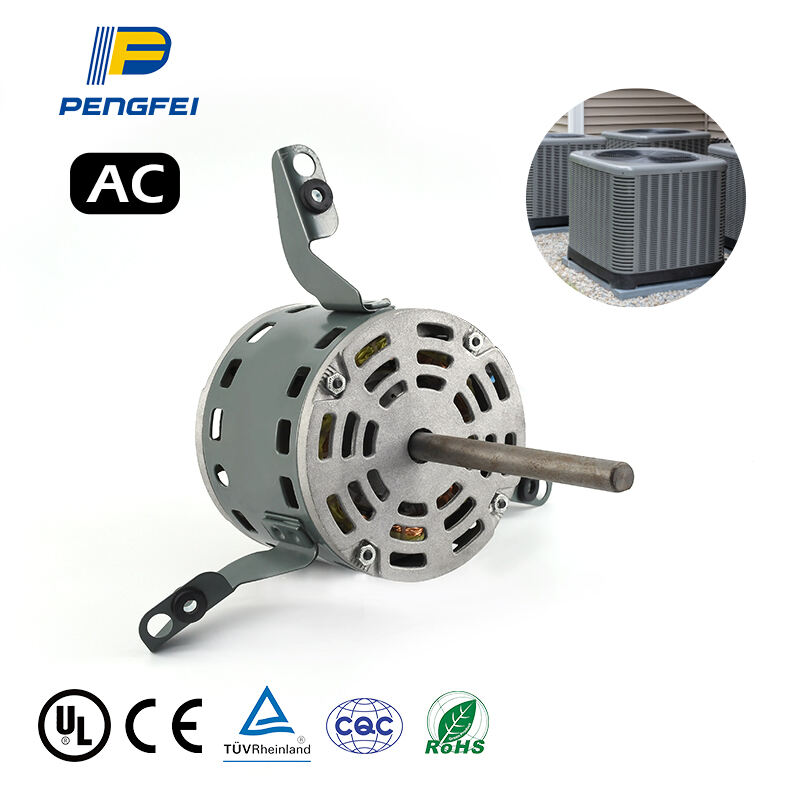
Why High-Efficiency Blower Motors Are Critical for Industrial Ventilation
IE3 and IE4 Standards: How Efficiency Classes Cut Energy Use by 15–30%
When industrial blower motors comply with IE3 (Premium Efficiency) or even better IE4 (Super Premium Efficiency) standards set by the International Electrotechnical Commission (IEC), they actually save real money on energy costs for ventilation systems. Switching out old IE2 motors for newer IE3 models usually cuts down energy usage somewhere between 15% and 20%. The jump to IE4 brings even bigger improvements, cutting consumption by around 25% to 30% in particular. These kinds of savings really matter for equipment running constantly, such as fume extraction units or systems dealing with high static pressure requirements where every bit of efficiency counts toward lower operating expenses over time.
| Efficiency Class | Typical Energy Savings vs. Standard Motors | Common Applications |
|---|---|---|
| IE3 (Premium) | 15–20% | General ventilation, dust collection |
| IE4 (Super Premium) | 25–30% | Continuous-duty fume extraction, high-static systems |
These efficiency gains directly support sustainability goals: industrial energy use accounts for 37% of global electricity consumption, making high-efficiency motor adoption a high-impact decarbonization lever.
Lifecycle Cost Analysis: Payback Periods vs. Long-Term Savings on Blower Motor Operation
IE3 and IE4 blower motors do cost about 10 to 20 percent more than regular models, but looking at the long term picture makes sense. According to data from the US Department of Energy, facilities running these motors nonstop usually see their initial extra spending paid back within 3 to 5 years. Most of this comes down to saving on electricity bills since energy accounts for around 95% of what companies spend on motor operation overall. There are other benefits too worth mentioning. These motors put less strain on bearings and cut down heat problems significantly - some studies show IE4 motors reduce heat related breakdowns by nearly 30%. Facilities experience fewer unexpected shutdowns and face much less risk of overheating issues when operating round the clock. Take a $5,000 investment in one of these efficient motors as an example case study. Over a decade period, businesses typically end up saving well over $22,000. So while green initiatives get all the headlines, the bottom line remains clear: investing in better efficiency pays off both for the planet and the company's wallet.
Matching Blower Motor Types to Industrial Ventilation Requirements
Direct-Drive vs. Belt-Drive Blower Motors: Efficiency, Maintenance, and Pressure Performance
Direct drive blower motors work differently because they connect the motor shaft straight to the impeller, which cuts down on those pesky mechanical transmission losses. This direct connection actually pushes peak efficiency up around 95%, and it means maintenance folks don't have to check them as often either - roughly three times longer between services. Belt driven systems aren't so efficient though, hitting only about 80-85% maximum efficiency thanks to issues with belt slippage and tension problems. That's why most facilities end up doing regular belt checks every quarter or so. But there's something special about belt drives too. They give operators incredible flexibility when it comes to adjusting airflow. Just changing the pulleys allows for plus or minus 20% airflow adjustment without replacing any motors at all, making them really valuable in settings where processes keep changing. Sure, belts do lose about 15% efficiency when dealing with high static pressure conditions above six inches water gauge, but many operations still find this acceptable since being able to adapt operationally is sometimes more important than chasing those last few percentage points of efficiency gain.
| Factor | Direct-Drive | Belt-Drive |
|---|---|---|
| Peak Efficiency | 95% at optimal load | 80–85% due to transmission losses |
| Maintenance | 3× longer service intervals | Quarterly belt inspections required |
| Pressure Flexibility | Fixed performance curve | ±20% adjustment via pulley changes |
Single-Phase vs. Three-Phase Blower Motors in Continuous-Duty Industrial Environments
Three phase blower motors stand out as the best option for operations that run around the clock. These motors distribute power more evenly which reduces vibration levels by about half and drops operating temperatures by roughly a third when compared to single phase alternatives. This means slower insulation breakdown and better reliability for tough jobs such as managing hot air exhausts or moving heavy materials through production lines. Single phase motors work fine for smaller setups under 10 horsepower where only standard 120/240 volt power is available. However they tend to create torque fluctuations that actually speed up insulation wear by approximately 40 percent during constant operation periods. Plants already equipped with 480 volt three phase systems get even more bang for their buck over time, seeing somewhere between 20 to 30 percent better energy efficiency across the motor's lifespan. This makes smart phase selection not just a technical consideration but a significant cost saving decision in the long run.
VFD Integration: Essential Control for Dynamic Industrial Blower Motor Applications
Optimizing Blower Motor Output with Variable Frequency Drives in Fume Extraction and Combustion Air Systems
Variable frequency drives, or VFDs for short, give operators much better control over their systems by adjusting blower motor speeds based on what the ventilation actually needs at any given moment instead of running everything at full blast all day long. When it comes to fume extraction systems, these drives can save quite a bit of energy too. We've seen installations where energy consumption drops somewhere between 30% and almost half compared to older systems that just run continuously at maximum speed regardless of conditions. For combustion air applications, VFDs help keep those tricky air to fuel ratios balanced even when loads change around, plus they start motors gently which really helps reduce wear and tear on equipment during ignition phases. Some facilities report motor lifespans increasing by as much as 40% after installing these drives. And there's more benefits beyond saving money on electricity bills. Modern versions come with remote monitoring capabilities so technicians can check pressure differences and airflow measurements from afar, making it possible to spot problems early in dangerous spots or hard to reach locations. The ability to adapt quickly becomes absolutely critical in environments where ventilation requirements jump around constantly, whether during production line setups, batch processing operations, or whenever materials being handled change from one product to another.
Key Selection Criteria for Reliable, Compliant Blower Motors in Harsh Industrial Settings
Specifying Blower Motors for High Static Pressure, Corrosive, Explosive, or Elevated-Temperature Environments
Selecting blower motors for harsh conditions demands deliberate specification–not just for compliance, but for durability and total cost control. Four environmental factors dictate critical design choices:
- Static Pressure Tolerance: Standard blowers handle ≤0.5" WC; material handling and process exhaust systems often require motors engineered for 8–12" WC without derating.
- Corrosion Resistance: Chemical processing environments (pH <4 or >10) demand stainless-steel housings and epoxy-coated windings to prevent premature failure.
- Explosion Protection: Class I Division 1 zones require T-coded temperature ratings and NEMA Type 7 or 9 enclosures–designed to contain internal arcs and prevent ignition of flammable gases or vapors.
- Thermal Resilience: Foundries, kilns, and drying ovens routinely exceed 60°C ambient temperatures. Insulation classes F (155°C) or H (180°C) are essential–standard Class B (130°C) motors often fail within six months under such conditions.
Matching motor specifications rigorously to these hazards reduces lifecycle costs by 18–35%, as confirmed by 2023 NEMA failure-rate studies comparing refinery-grade installations against general manufacturing deployments.
FAQ
What are the advantages of using IE3 and IE4 blower motors?
IE3 and IE4 blower motors offer improved energy efficiency, significantly reducing electricity bills. They also minimize mechanical wear and heat-related breakdowns.
How do direct-drive blower motors differ from belt-drive systems?
Direct-drive blower motors connect directly to the impeller, offering higher efficiency and less maintenance. Belt-drive systems provide flexibility in adjusting airflow.
When should three-phase blower motors be used?
Three-phase blower motors are ideal for continuous-duty operations, especially in facilities with 480 volt systems, offering better performance and energy efficiency.
Why integrate variable frequency drives (VFDs) with blower motors?
VFDs optimize motor speeds according to actual ventilation needs, improving energy savings and extending motor lifespans.
Table of Contents
- Why High-Efficiency Blower Motors Are Critical for Industrial Ventilation
- Matching Blower Motor Types to Industrial Ventilation Requirements
- VFD Integration: Essential Control for Dynamic Industrial Blower Motor Applications
- Key Selection Criteria for Reliable, Compliant Blower Motors in Harsh Industrial Settings
- FAQ