 EN
EN

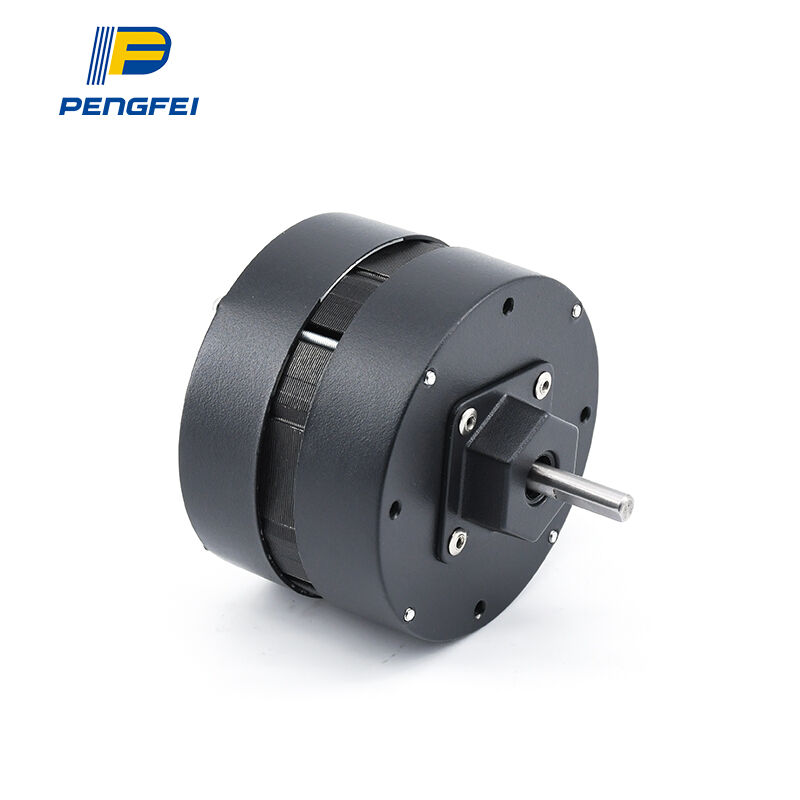
Core Construction Features That Ensure AC Fan Motor Longevity
Motor Insulation Class and Thermal Endurance Under Continuous Duty
AC fan motor longevity begins with insulation engineered to withstand thermal stress. Motors rated Class F (155°C) or higher sustain continuous operation temperatures 25% longer than Class B (130°C) equivalents—delaying insulation breakdown by approximately 40,000 hours (NEMA MG-1-2023). Premium materials like Nomex® resist thermal degradation, preventing winding shorts during sustained duty. Operating consistently below thermal limits reduces failure rates by 60% (IEEE Std 112-2023), confirming that insulation class is a primary determinant—not just a specification—of service life.
High-Grade Bearings, Precision Lubrication, and Sealed Bearing Systems
Bearing failures account for 52% of premature AC fan motor replacements (ABMA Standard 9-2023). Mitigation starts with purpose-built bearing systems:
- C3/C4 clearance bearings accommodate thermal expansion in continuous-duty applications, maintaining rotor alignment under load
- Automated lubrication systems preserve optimal grease viscosity across temperature swings, cutting friction-related wear by up to 70%
- Triple-labyrinth seals, standard in IP55-rated motors, block particulate ingress with >99.7% efficiency—significantly extending bearing service intervals
These features collectively reduce mechanical failure risk while supporting long-term reliability without frequent intervention.
Robust Winding Design and IP-Rated Sealing Against Moisture and Contaminants
HiPot-tested windings with epoxy encapsulation provide dual protection: resisting moisture absorption and suppressing corona discharge at voltage peaks. When paired with appropriate enclosure ratings—IP54 for general industrial use or IP66 for high-humidity or washdown environments—the system prevents three critical failure pathways:
- Dust accumulation on windings (reducing airflow efficiency by up to 18%)
- Corrosive condensation (cutting insulation resistance by 90% within 3 months in unsealed units)
- Conductive contaminant ingress (a factor in over 80% of electrical failures)
Robust winding construction and precise sealing are not optional upgrades—they’re foundational to operational resilience.
Environmental and Operational Factors Affecting AC Fan Motor Lifespan
Ambient Conditions, Temperature Rise, and Mitigation of Overheating Failures
Ambient temperature is a dominant factor in AC fan motor lifespan. Every 10°C above the motor’s rated ambient temperature halves its expected life—a direct application of the Arrhenius reaction rate law. In practice, high heat forces motors to draw more current, accelerating insulation aging and bearing lubricant oxidation. Dust buildup compounds this effect by restricting airflow through cooling fins and housings, increasing overheating-related failure risk by 40% in industrial settings. Effective mitigation includes:
- Installing real-time temperature sensors with automatic shutdown at 110% of rated rise
- Scheduling compressed-air cleaning of heat sinks every 90 days in dusty environments
- Maintaining minimum 3-foot clearance around motor housings to ensure natural convection
Overheating contributes to an estimated $740,000 in annual unplanned downtime and replacement costs across midsize industrial facilities (Ponemon Institute, 2023)—making thermal management a strategic maintenance priority.
Selecting the Right Enclosure (IP/NEMA) for Harsh or Outdoor AC Fan Motor Applications
Enclosure selection must align precisely with environmental hazards—not general assumptions. Coastal installations demand IP56-rated seals to resist salt-laden air; food processing lines require IP69K-rated housings validated for high-pressure, high-temperature washdowns. Key guidance:
| Protection Need | Minimum Rating | Protection Against |
|---|---|---|
| Dusty warehouses | IP54 | Particulate ingress |
| High-humidity greenhouses | IP55 | Low-angle water jets |
| Chemical exposure | NEMA 4X | Corrosive vapors and hose-directed water |
NEMA 4X enclosures extend service life by 60% in corrosive environments versus standard cast-iron housings. Underspecified enclosures cause 35% of outdoor motor failures—often due to moisture-induced winding shorts, the second-leading cause of irreversible damage. Always verify IP rating standards against your site-specific hazard profile before procurement.
Proactive Maintenance and Load Optimization to Extend AC Fan Motor Service Life
Preventive Maintenance Schedules: Vibration Analysis, Thermography, and Electrical Testing
A structured preventive maintenance program is the most cost-effective lever for extending AC fan motor life. Quarterly inspections using diagnostic tools detect incipient failures before they cascade:
- Vibration analysis identifies early-stage bearing wear or rotor imbalance
- Infrared thermography reveals localized hot spots in windings, terminations, or connections
- Electrical testing—including megger insulation resistance and surge comparison—quantifies winding integrity
Motors on formal maintenance schedules last 20–50% longer than neglected units, with quarterly checks reducing unexpected failures by 60% (EPRI Report TR-109812). Essential field practices include debris removal from vents, verification of grease levels in semi-sealed systems, and trend-based documentation to forecast end-of-life timing. These protocols lower total cost of ownership by 30%, primarily through avoided downtime and improved energy efficiency.
Matching AC Fan Motor Capacity to System Load and Avoiding Chronic Overload
Precise motor sizing is critical: chronic overload accelerates insulation degradation exponentially—by 200% per 10°C above rated temperature—while persistent underloading induces inefficient operation and oil churning in bearings. Optimal performance occurs between 85–100% load factor:
| Load Factor | Impact on Motor Lifespan |
|---|---|
| 100–110% | Thermal stress doubles failure risk |
| 85–100% | Peak efficiency and longest service life |
| <70% | Reduced efficiency, lubrication starvation, increased vibration |
Select motors with a 10–15% capacity buffer above peak system demand. For variable-flow applications, ECM or VFD-controlled motors maintain high efficiency across the operating range—minimizing thermal cycling stress and significantly extending service life.
FAQ Section
What is the importance of motor insulation class in AC fan motor longevity?
Motor insulation class is crucial because it determines the motor's ability to withstand thermal stress over time. Higher-rated classes, such as Class F, offer longer service life and enhanced resistance to thermal degradation.
How do high-grade bearings contribute to AC fan motor longevity?
High-grade bearings, along with precision lubrication and sealed systems, reduce mechanical wear and failure risk, ensuring long-term reliability and extending the motor's service intervals.
What role does ambient temperature play in AC fan motor lifespan?
Ambient temperature significantly affects motor lifespan; exceeding rated temperatures leads to accelerated aging and failure. Effective thermal management strategies are essential to maintain optimal operating conditions.
How does enclosure selection impact AC fan motor service life?
Proper enclosure selection protects against environmental hazards like moisture, dust, and chemicals. Matching the enclosure rating to specific site conditions prevents damage and extends motor life.
Why is preventive maintenance important for AC fan motors?
Preventive maintenance identifies potential issues early, reducing unexpected failures and increasing motor lifespan by 20–50%. Regular checks help avoid costly downtime and optimize energy efficiency.
Table of Contents
- Core Construction Features That Ensure AC Fan Motor Longevity
- Environmental and Operational Factors Affecting AC Fan Motor Lifespan
- Proactive Maintenance and Load Optimization to Extend AC Fan Motor Service Life
-
FAQ Section
- What is the importance of motor insulation class in AC fan motor longevity?
- How do high-grade bearings contribute to AC fan motor longevity?
- What role does ambient temperature play in AC fan motor lifespan?
- How does enclosure selection impact AC fan motor service life?
- Why is preventive maintenance important for AC fan motors?