 EN
EN

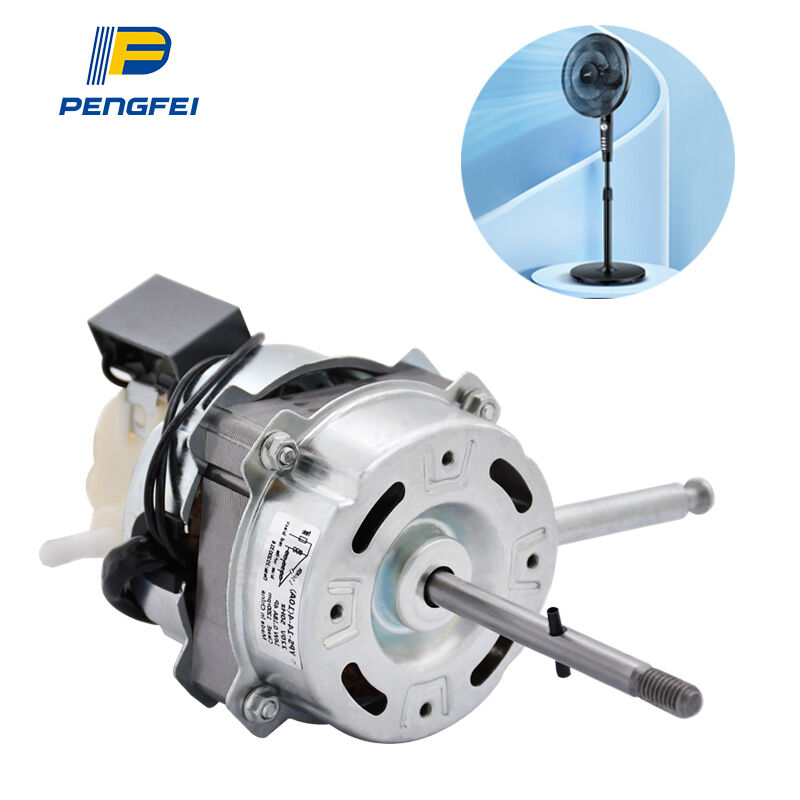
Why EC Motors Are the Benchmark for Efficient Duct Fan Motors
EC motors have become pretty much the go-to choice for energy efficient duct fan applications because they come with built-in permanent magnets, use electronic commutation instead of brushes, and work really well with modern smart controls. Traditional AC induction motors operate differently though. They depend on electromagnetic induction and tend to be inefficient since they run at fixed speeds regardless of what's needed. EC motors actually turn more of that electricity straight into airflow rather than wasting it as heat. Plus they respond better when conditions change, making them much more adaptable in real world situations where demands fluctuate throughout the day.
How Electronically Commutated (EC) Motors Cut Duct Fan Motor Energy Use by 30–50% vs. AC Induction
EC motors can be anywhere from 30 to 50 percent more efficient compared to traditional AC induction motors since they don't suffer from those pesky core electromagnetic losses that plague induction designs. What makes them stand out is their electronic commutation system which constantly tweaks voltage and current levels based on actual airflow needs instead of wasting energy through throttling or letting air bypass at set speeds. Most AC motors run somewhere between 70 and 85% efficiency, but EC motors maintain around 80 to even 90% efficiency over various loads, particularly when dealing with the partial load situations we see so often in HVAC systems according to the ASHRAE Handbook on HVAC Applications published last year. These motors adjust their speed naturally without needing extra drives, which means no wasted power during idle periods and a noticeable drop in overall system energy consumption.
Permanent Magnet Synchronous Design: Reducing Core and Copper Losses in Duct Fan Motors
EC motors with permanent magnet rotors completely cut out those copper losses in the rotor section since they don't rely on induced currents like traditional AC induction motors do. When these motors run synchronously, the magnetic fields line up just right between the stator and rotor parts, which cuts down on those pesky hysteresis effects and eddy currents in the iron core material. What does this mean practically? About 40% less heat being generated overall. Less heat means bearings last longer, the whole unit runs quieter, and manufacturers can pack everything into smaller spaces. For duct fans specifically, this translates to getting more air moving for each watt of power consumed. The motor surfaces stay cooler too, so there's less strain on the ducting materials and control systems attached to them over time.
| Loss Type | AC Induction Motor | EC Motor |
|---|---|---|
| Copper Losses | High | Low |
| Core Losses | Moderate | Low |
| Stray Load Losses | Present | Minimal |
Smart Control Integration: Optimizing Duct Fan Motor Performance in Real Time
Variable Speed Drives and Demand-Based Airflow Modulation for Duct Fan Motors
EC duct fan motors come with variable speed operation right out of the box, so there's no need for an extra VSD device. What this means in practice is that these fans can adjust their airflow based on actual demand at any given moment. The fan output matches exactly what's needed for ventilation, which cuts down on wasted energy. According to recent studies from the U.S. Department of Energy called Energy Savings Potential of Advanced Controls published back in 2023, this approach saves around 30% energy when compared to older fixed speed models. Traditional AC motors require adding a separate VSD system later on, something that costs money, creates headaches during installation, and actually reduces overall efficiency. But EC motors have all this speed control functionality built right in from day one, making them much easier to work with while still delivering top notch performance.
IoT-Enabled Load Sensing and Adaptive Control for Intelligent Duct Fan Motor Operation
Today's EC motors work really well with those smart building management systems that have IoT capabilities. They come equipped with either built-in sensors or connect to networks to keep an eye on things like temperature levels, pressure changes, carbon dioxide concentrations, and whether people are actually in the space. These motors have these clever control systems that adjust themselves almost immediately when conditions change around them. The result? Motors run at just the right speed needed without sacrificing air quality inside buildings or making occupants uncomfortable. According to some field research published last year by the Building Technology Office under the US Department of Energy in their Smart Ventilation Report, these intelligent features can cut down energy usage by about a quarter in most commercial settings. Plus, there's less need for someone to manually check everything, which makes the whole system much more dependable over time.
Beyond EC: Next-Generation Duct Fan Motor Technologies and Efficiency Standards
IE4 and IE5 Ultra-Premium Efficiency Standards and Their System-Level Impact on Duct Fan Motors
When it comes to how efficient duct fan motors have become over time, we look at something called the International Efficiency (IE) classification system these days. At the top end of this scale sit IE4 (Super-Premium) and IE5 (Ultra-Premium) motors, which are basically the gold standard worldwide for performance. According to ASHRAE Standard 205-2022 from last year, these newer motors cut down on energy waste by about 15 to 20 percent compared to older IE3 models. What makes them so much better? Well, manufacturers are using some pretty cool technology here including those fancy permanent magnet designs, really precise winding methods, and built-in systems to keep things from getting too hot during operation. These improvements aren't just numbers on paper either—they translate into real savings for facilities running fans all day long.
| Efficiency Class | Energy Loss Reduction | Key System Impact |
|---|---|---|
| IE4 | 15% vs. IE3 | Reduced ventilation heat gain in ducts |
| IE5 | 20% vs. IE3 | Lower HVAC cooling loads and smaller electrical infrastructure |
Meeting IE5 requires not just superior motor design—but also intelligent integration: embedded sensors, communication protocols (e.g., BACnet MS/TP, Modbus), and part-load optimization that sustains >90% efficiency down to 25% load. System-wide benefits include:
- Lower operational costs: Up to 30% energy reduction in variable-flow HVAC applications
- Regulatory readiness: IE4/IE5 compliance aligns with IECC-2021, Energy Star v8.0, and EU Ecodesign mandates
- Performance continuity: High-efficacy DC-ECM designs now exceed 15 cfm/watt—more than triple the 4 cfm/watt baseline in Standard Work Specifications—while maintaining sub-1 sone noise levels and minimal static pressure penalty
Total Cost of Ownership: Justifying Higher Upfront Investment in High-Efficiency Duct Fan Motors
Premium EC motors do cost about 60 to 80 percent more upfront compared to regular AC induction motors, but they actually end up costing less overall when looking at the whole picture across their usual 10 to 15 year lifespan. The energy savings alone from consuming 30 to 50% less power typically means businesses see their money back within 18 to 24 months for systems that run constantly. These motors last much longer too, often twice as long as AC motors, need almost no maintenance, and cause far less downtime, all of which cuts down on those hidden costs over time. Factor in things like how durable they are, how well they can be controlled, and what regulations might look like in the future, and it becomes clear that these high efficiency EC duct fan motors cut lifetime expenses by around half. They're not just saving energy then, but represent a smart move for infrastructure planning in the long run.
Frequently Asked Questions
What makes EC motors more efficient than traditional AC motors?
EC motors are more efficient due to their electronic commutation and permanent magnet synchronous design, which drastically reduce core and copper losses, allowing for higher efficiency levels.
How do EC motors contribute to lower operational costs?
EC motors lower operational costs through less energy consumption, reduced maintenance needs, and longer lifespan compared to traditional AC motors, providing a return on investment within 18 to 24 months.
What are IE4 and IE5 efficiency standards?
IE4 and IE5 are classifications for motors with super-premium and ultra-premium efficiency, respectively. They provide better energy loss reduction and system-level impacts, such as reduced ventilation heat gain.
Table of Contents
- Why EC Motors Are the Benchmark for Efficient Duct Fan Motors
- Smart Control Integration: Optimizing Duct Fan Motor Performance in Real Time
- Beyond EC: Next-Generation Duct Fan Motor Technologies and Efficiency Standards
- Total Cost of Ownership: Justifying Higher Upfront Investment in High-Efficiency Duct Fan Motors
- Frequently Asked Questions