 EN
EN

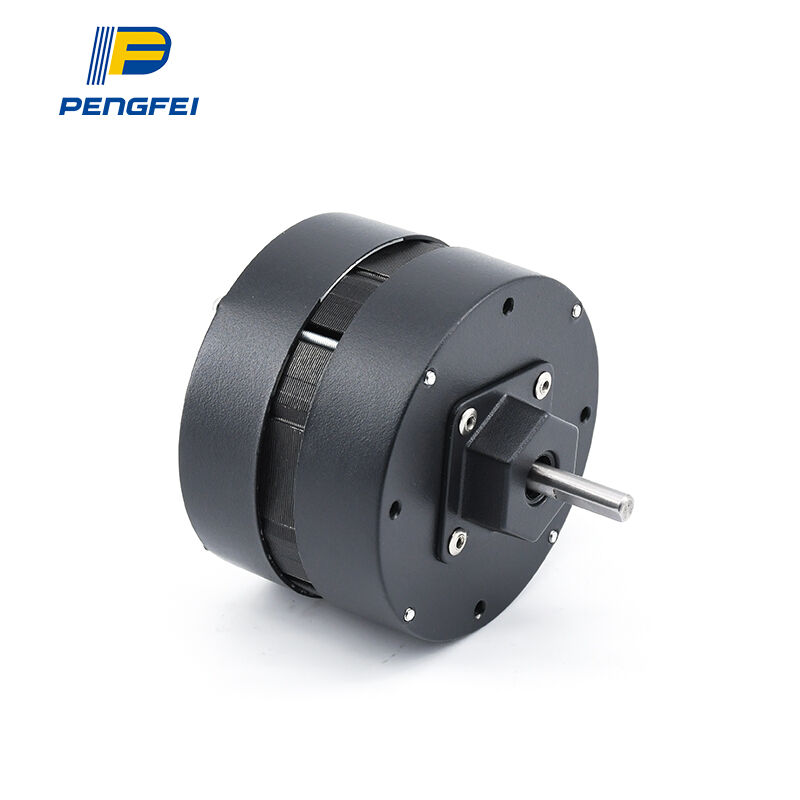
Understanding Cooler Fan Motor Types and Key Specifications
Selecting the appropriate cooler fan motor directly influences thermal management and operational longevity. These devices primarily fall into two categories: axial and centrifugal designs. Axial units efficiently move large air volumes at minimal pressure, making them ideal for open-frame cooling in HVAC systems and electronics enclosures. Conversely, centrifugal variants generate directional high-pressure airflow, excelling in confined spaces like automotive radiators or ducted industrial equipment where overcoming system resistance is critical.
Key specifications dictate compatibility and effectiveness:
- Voltage Requirements: Must match power supply (e.g., 12V DC or 115V AC) to prevent premature failure
- Airflow Capacity: Measured in CFM (Cubic Feet per Minute), indicating heat dissipation potential
- Rotational Speed: RPM (Revolutions Per Minute) affects noise levels and dynamic pressure
- Physical Dimensions: Housing size and shaft orientation dictate mounting feasibility
Performance hinges on harmonizing these factors with operational demands. Inadequate CFM ratings accelerate heat buildup, while mismatched voltage induces electrical stress. Leading axial models typically achieve 90%+ efficiency with optimized blade geometry, as validated by thermal resistance testing. Prioritizing torque-consistent brushless DC motors over traditional AC induction variants further reduces energy waste by 15–20%. Understanding these parameters ensures reliable temperature control, preventing costly downtime from thermal overload in critical applications.
Critical Factors When Selecting a Cooler Fan Motor
Voltage, RPM, and Airflow Requirements
Matching electrical specifications prevents premature failure and ensures efficient cooling. Verify your system’s voltage (e.g., 12V/24V DC or 115/230V AC) to avoid motor burnout. RPM directly impacts airflow volume—measured in CFM—with insufficient flow risking thermal shutdown. For example, undersized airflow reduces heat dissipation by up to 40%, according to HVAC Tech Journal (2025). Calculate required CFM based on equipment heat output and ambient temperature, prioritizing motors within ±10% of your target RPM.
Mounting Compatibility and Physical Dimensions
Incorrect sizing or mounting strains motors and compromises stability. Measure available space precisely, including:
- Frame dimensions (length/width/depth)
- Shaft diameter and orientation
- Bolt-hole patterns
Non-standard mounts accelerate wear by creating vibration hotspots. Centrifugal fans suit confined spaces with directional airflow needs, while axial designs excel in open areas requiring high-volume exhaust. Test-fit motors before permanent installation to prevent costly rework.
Common Failure Signs and Troubleshooting a Cooler Fan Motor
Audible, Thermal, and Performance Indicators of Failure
Unusual operational symptoms often signal impending cooler fan motor failure. Listen for grinding or rattling sounds from bearings—these mechanical noises occur in over 68% of motor failures, per industrial maintenance reports. Thermally, excessive housing heat suggests internal electrical issues or airflow obstructions. Performance-wise, monitor for:
- Reduced airflow from vents despite system operation
- Inconsistent temperature regulation creating hot spots
- Intermittent shutdowns triggered by thermal overload sensors
Quick Diagnostic Steps Before Replacement
Before replacing the motor, conduct these preliminary checks:
- Verify power delivery: Use a multimeter to confirm voltage reaches motor terminals
- Inspect connections: Examine wiring for corrosion or loose contacts disrupting circuitry
- Test mounting integrity: Ensure vibration hasn’t loosened physical mounts or misaligned blades
- Assess blade movement: Manually rotate the fan to detect bearing resistance or imbalance
These diagnostics identify simple fixes in 40% of suspected failures, potentially avoiding unnecessary replacements. Always disconnect power before inspection to prevent electrical hazards.
Proper Maintenance Practices to Extend Cooler Fan Motor Lifespan
Implementing consistent maintenance protocols significantly enhances cooler fan motor longevity and operational efficiency. Begin with quarterly cleaning of fan blades using pH-neutral solutions to prevent dust accumulation that disrupts airflow balance—a leading cause of motor strain. Bi-annual lubrication of bearings reduces friction-related wear, while monthly inspections of electrical connections and motor mounts prevent premature failure. Vigilance for early indicators like abnormal vibrations or unusual noises allows corrective action before catastrophic damage occurs. Proactive maintenance minimizes downtime and repair costs by addressing issues like worn belts or misalignments during scheduled checks. These practices ensure sustained performance while protecting your equipment investment through predictable operational lifecycles.
FAQ
What are the main types of cooler fan motors?
The two main types of cooler fan motors are axial and centrifugal designs. Axial motors move large air volumes at minimal pressure, while centrifugal motors generate high-pressure airflow for confined spaces.
Why is matching the voltage important for a cooler fan motor?
Matching the voltage with the power supply prevents premature motor failure. Incorrect voltage can induce electrical stress leading to burnout or reduced efficiency.
What signs indicate a cooler fan motor might be failing?
Signs of a failing cooler fan motor include grinding or rattling sounds, excess heat from the motor casing, reduced airflow, inconsistent temperature regulation, and intermittent shutdowns.
How can I maintain my cooler fan motor to extend its lifespan?
Regular maintenance includes cleaning fan blades quarterly, lubricating bearings bi-annually, and monthly inspections of electrical connections. Detecting and addressing issues early, like abnormal vibrations, enhances motor longevity.