 EN
EN

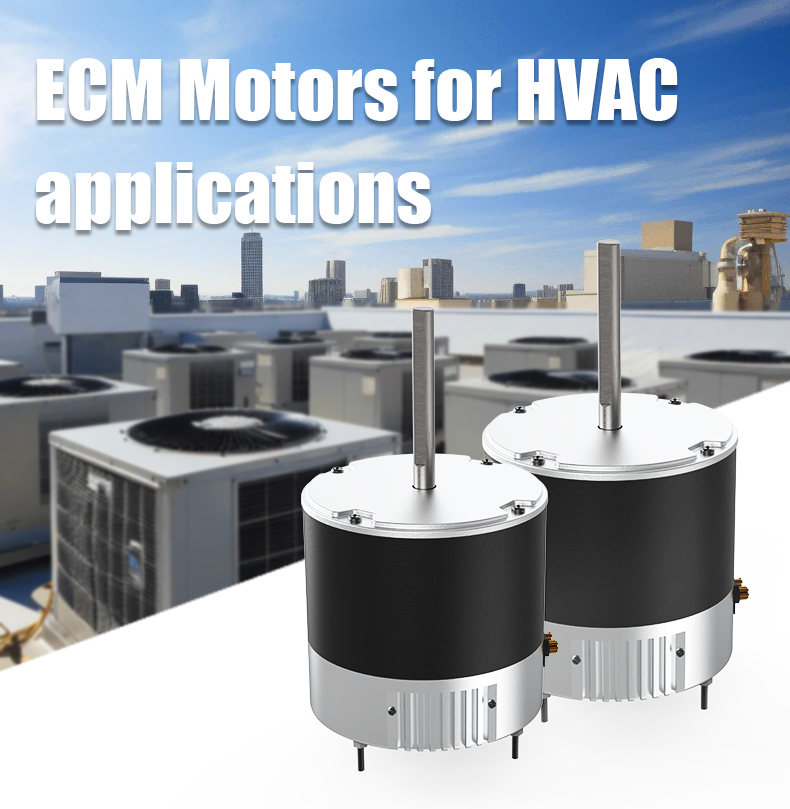
How BLDC Motor Technology Enhances Energy Efficiency in Cooling Devices
What Is a BLDC Motor and How Does It Work?
Brushless DC motors, commonly called BLDCs, work differently than traditional motors because they ditch those old carbon brushes altogether. Instead, these motors use electronic controllers for what's called commutation. What does this mean? Less mechanical wear over time and significantly less energy wasted through friction. When we look at how they compare to induction motors which depend on electromagnets, BLDCs stand out since they incorporate permanent magnets along with accurate rotor position sensors that help deliver better torque performance. Research indicates that in real world scenarios like air conditioning units or refrigeration systems, this setup can actually boost efficiency around 30 percent when compared against conventional brushed motor technology. That kind of improvement matters a lot for manufacturers looking to cut down on power consumption while maintaining reliable operation.
Key Design Features That Enable Brushless, Low-Loss Operation
Three innovations drive BLDC efficiency:
- Permanent Magnet Rotors: Eliminate energy wasted in electromagnet excitation
- Sensorless Control Algorithms: Adjust speed in real-time based on cooling demand
- Laminated Steel Cores: Minimize eddy current losses during high-frequency operation
Recent analyses of air cooler motors reveal BLDC systems consume 60% less electricity than conventional induction motors under equivalent cooling loads (2024 HVAC Efficiency Report). This advantage is especially pronounced in variable-speed scenarios common in modern climate control systems.
Role of BLDC Motors in Modern Cooling Appliances
The BLDC tech really opens up possibilities for smarter cooling solutions in things like inverter air conditioners and those fancy smart fans we see everywhere now. When paired with IoT controllers, these motors can actually tweak airflow based on who's in the room and what the temperature is doing. Take ceiling fans as an example. Those equipped with BLDC drivers will cut their speed down about half when sensors pick up nobody's around. Pretty impressive stuff compared to old school induction motors which just run at fixed speeds no matter what. Industry insiders are seeing BLDC cooling systems last around seven years on average, which is almost twice as long as brushed motor versions. Less heat buildup means components don't wear out so fast, making these systems much more reliable over time.
Technical Advantages: Why BLDC Motors Consume Less Energy Than Conventional Motors
Reduced Mechanical and Electrical Losses in BLDC Motors
Brushless DC motors get rid of those pesky brushes and commutators found in traditional motor designs, which means they cut down on energy lost to friction. The absence of these components makes a real difference in heat production too, studies from last year show around a 40% reduction in thermal output when compared to their brushed counterparts. Since there's basically zero physical contact happening between the moving parts and the stationary housing, we see much less electrical arcing and mechanical wear over time. This translates into longer lasting equipment for manufacturers and significantly reduced downtime for maintenance checks across various industrial applications.
Efficiency Performance Across Variable Loads in Cooling Applications
Induction motors tend to drop in efficiency when running at lower loads, but BLDC motors keep performing well with around 85 to 92% efficiency even when only operating at 30% capacity. The smart electronics controlling these motors can tweak how much power gets sent out depending on what's needed for cooling, which cuts down wasted energy during idle times by roughly 15 to 25% in things like fans and air coolers. What makes BLDC motors stand out is their ability to deliver steady results no matter what speed they're running at. Compared to older motor types, this translates to about a 20 to 35 point boost in efficiency when looking at actual usage scenarios instead of just lab tests.
Quantifying Energy Savings: Power Consumption Data in Real-World Use
BLDC motors save 50–65% energy in residential cooling systems, as demonstrated in a 2024 smart appliance efficiency report. A 55W BLDC ceiling fan consumes just 22–28W at medium speeds, compared to 45–50W for traditional models. In commercial HVAC systems, industrial cooling units achieve 30–50% annual energy reductions through optimized BLDC integration.
BLDC vs. Conventional Motors: Performance Comparison in Fans and Air Coolers
Energy and Speed Control in Ceiling Fans: BLDC vs. Induction Motors
When it comes to ceiling fans, BLDC motors simply work better than traditional induction motors because they offer much more accurate speed control while wasting far less energy. Regular induction motors run at fixed speeds, but BLDC technology actually changes the rotor speed based on what's needed, thanks to built-in sensors and small computer chips. This means no more those old fashioned resistive regulators that wasted so much power, and tests show energy savings can be around 70 percent or so. Plus, since there are no brushes wearing down inside these motors, there's just not as much friction. The result? Fans run more quietly and last way longer too, probably about two to three times longer than standard models according to manufacturer claims.
Power Savings in Air Coolers Using BLDC Motor Technology
Cooling units equipped with BLDC technology use around 60% less electricity compared to those old school single phase motors everyone used back in the day. Take a standard 90 watt BLDC cooler for instance it moves just as much air as those bulky 200 watt models but actually draws somewhere between 35 to 45 watts when running normally. The difference becomes even more noticeable during extended operation periods, especially in places with hot weather throughout most of the year. People living in tropical regions can expect their bills to drop by roughly 300 kilowatt hours each year simply by switching to these newer systems.
Case Study: Measured Energy Reduction in Residential Cooling Systems
Researchers ran a year-long test across 150 homes throughout India and saw cooling energy costs drop by nearly half when people switched to BLDC motor systems. The numbers tell the story: ceiling fans only needed 28 watts compared to the usual 75 watts from older induction motors. Air coolers similarly dropped from 100 watts down to just 40 watts. When all these savings added up, families were paying around Rs 2,800 less each month during those hot summer months (about $34 USD). Most interestingly, almost nine out of ten participants reported being happy with their new setup. They liked how smoothly the speeds changed without jerking or sudden stops, plus the machines operated quietly under 40 decibels. These real world results show BLDC technology isn't just better for the environment, it actually makes life more comfortable too.
Economic and Environmental Benefits of Adopting BLDC Motors in Cooling Systems
Lower Electricity Bills and Long-Term Cost Savings with BLDC Devices
Brushless DC motors actually use around 60% less power than old fashioned induction motors, which means people see their monthly electric bills drop noticeably. Take home air coolers as an example. Those with BLDC tech run at about 70 to 90 watts per hour while standard ones guzzle between 200 and 250 watts. That translates to saving anywhere from fifty to eighty bucks each year on just one unit in places where air conditioning is needed most of the time. Most folks find they pay back the extra money spent upfront within ten years simply from lower utility costs. When families swap out three regular cooling devices for BLDC versions, they tend to cut down their yearly electricity usage by roughly 12 to 15 percent overall.
Reduced Carbon Footprint Through Higher Energy Efficiency
BLDC motors are much better at cutting down on carbon emissions than their older counterparts. Take a regular BLDC air cooler for example it manages to slash around 320 kg of CO2 each year, roughly what 15 fully grown trees would absorb over the same period. Imagine what happens when we start replacing old equipment citywide. If enough people switch to BLDC technology, we could keep about 2.4 million tons of greenhouse gases out of the atmosphere every year that's like taking nearly half a million gas guzzlers off our streets. What makes these motors so effective? Their adaptive speed control system wastes far less energy when running at lower loads, something that happens during about 65 to 80 percent of all cooling operations. For anyone concerned about climate change, this represents a real opportunity. Both individuals and companies can make meaningful contributions to sustainability goals simply by upgrading their cooling systems.
FAQ
What is a BLDC motor?
A BLDC motor is a Brushless DC motor that operates without carbon brushes, instead utilizing electronic controllers for commutation, resulting in less mechanical wear and energy wastage.
Why are BLDC motors more energy-efficient than conventional motors?
BLDC motors are more energy-efficient due to their brushless design, reducing mechanical and electrical losses, and the use of permanent magnet rotors which eliminate energy wasted in electromagnet excitation.
How do BLDC motors benefit cooling appliances?
BLDC motors enable smarter cooling solutions, allowing appliances like fans to adjust their speed based on room occupancy and temperature. They last longer with less heat buildup and reduce energy consumption significantly.
What are the economic benefits of using BLDC motors?
Using BLDC motors in cooling devices leads to lower electricity costs, saving households money on utility bills. They pay off the extra upfront cost within a decade due to reduced power consumption.
How do BLDC motors help in reducing carbon footprints?
BLDC motors enhance energy efficiency, leading to lower carbon emissions. Switching to BLDC technology can cut significant amounts of greenhouse gases, contributing to sustainability efforts.
Table of Contents
- How BLDC Motor Technology Enhances Energy Efficiency in Cooling Devices
- Technical Advantages: Why BLDC Motors Consume Less Energy Than Conventional Motors
- BLDC vs. Conventional Motors: Performance Comparison in Fans and Air Coolers
- Economic and Environmental Benefits of Adopting BLDC Motors in Cooling Systems
- FAQ